On International Day of Women and Girls in Science, discover five portraits of scientists from our PEPR SPIN program
The portraits of the year 2025
While women remain underrepresented in scientific fields, raising awareness among young girls from an early age appears to be an essential lever for change. Through five portraits of women from various professions, the SPIN Research Program highlights those who actively contribute to advances in spintronics on a daily basis, on February 11, 2026, International Day of Women and Girls in Science
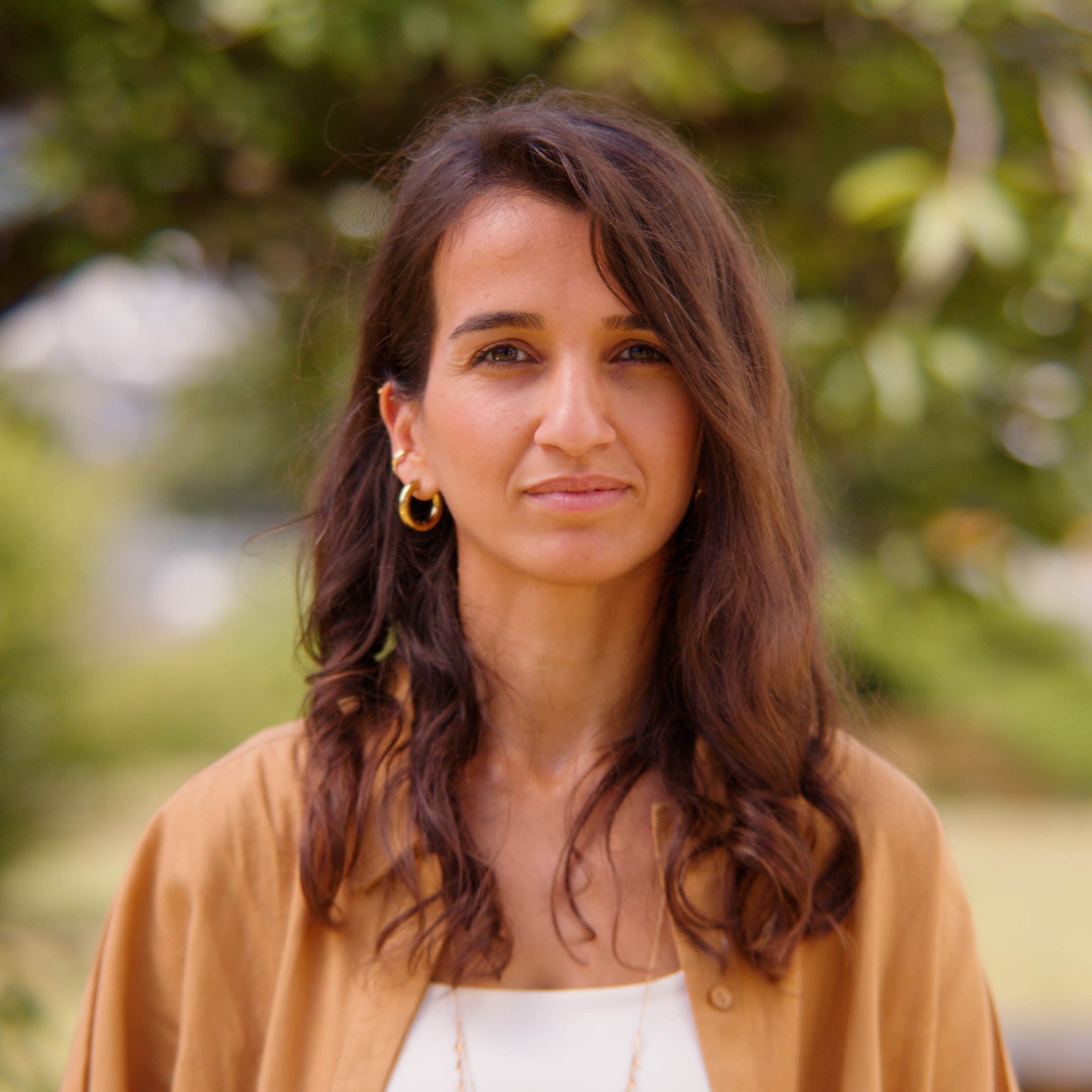
Asli
Denninger-Consigney
Project Manager of PEPR SPIN
CEA-Irig in Grenoble
Discover her portrait
As program manager for the SPIN Research Program At CEA-Irig Grenoble, she oversees the program at the national level. She coordinates projects with the ANR, monitors funding and recruitment, and contributes to promotional activities such as the program’s various events. She also participates in setting up European projects at the CEA-IRIG institute. This activity is part of the development of partnerships in nanosciences for digital technology.
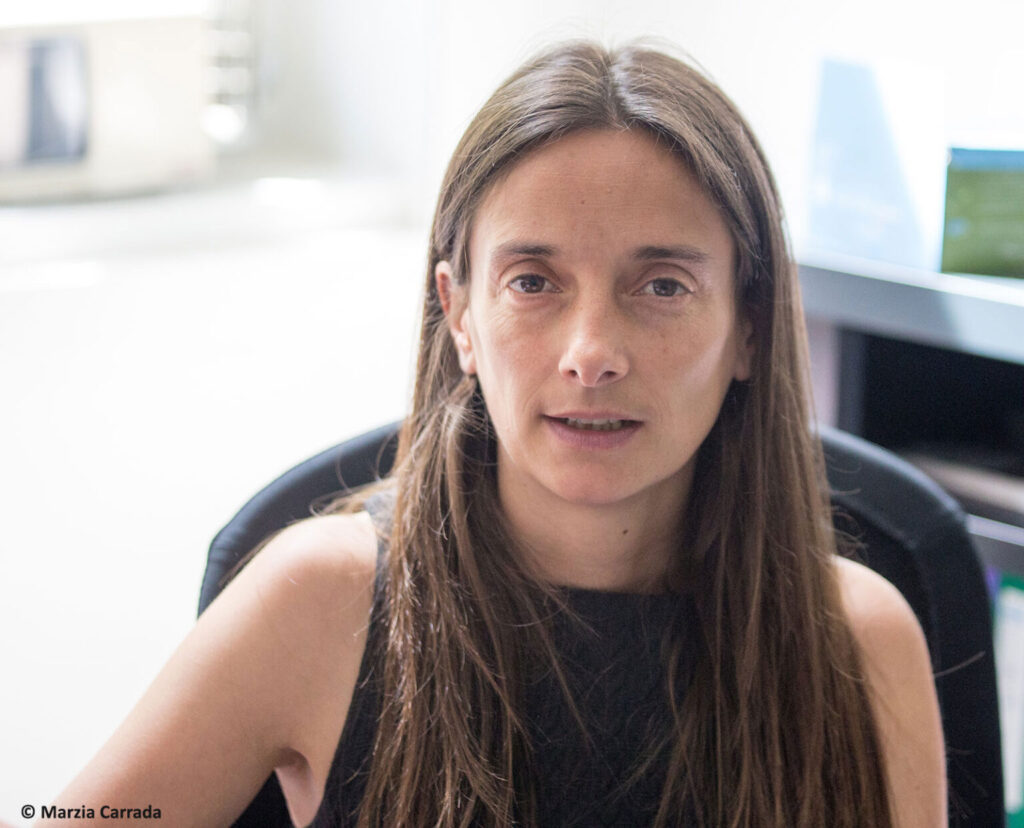
Bénédicte
Warot
Research Director at CNRS
CEMES in Toulouse (CEMES|CNRS)
Discover her portrait
Research at CEMES involved in several projects, she coordinates Moxspin and participates in SPINMAT and SPINCHARAC. Her work focuses on the correlations between magnetic, electrical, and optical properties and local structure and chemistry. She studies nanosystems, particularly nanorods and thin films. She links their macroscopic properties to local structure and composition. Her main tool is quantitative transmission electron microscopy (TEM/STEM), applied to various nanomaterials.
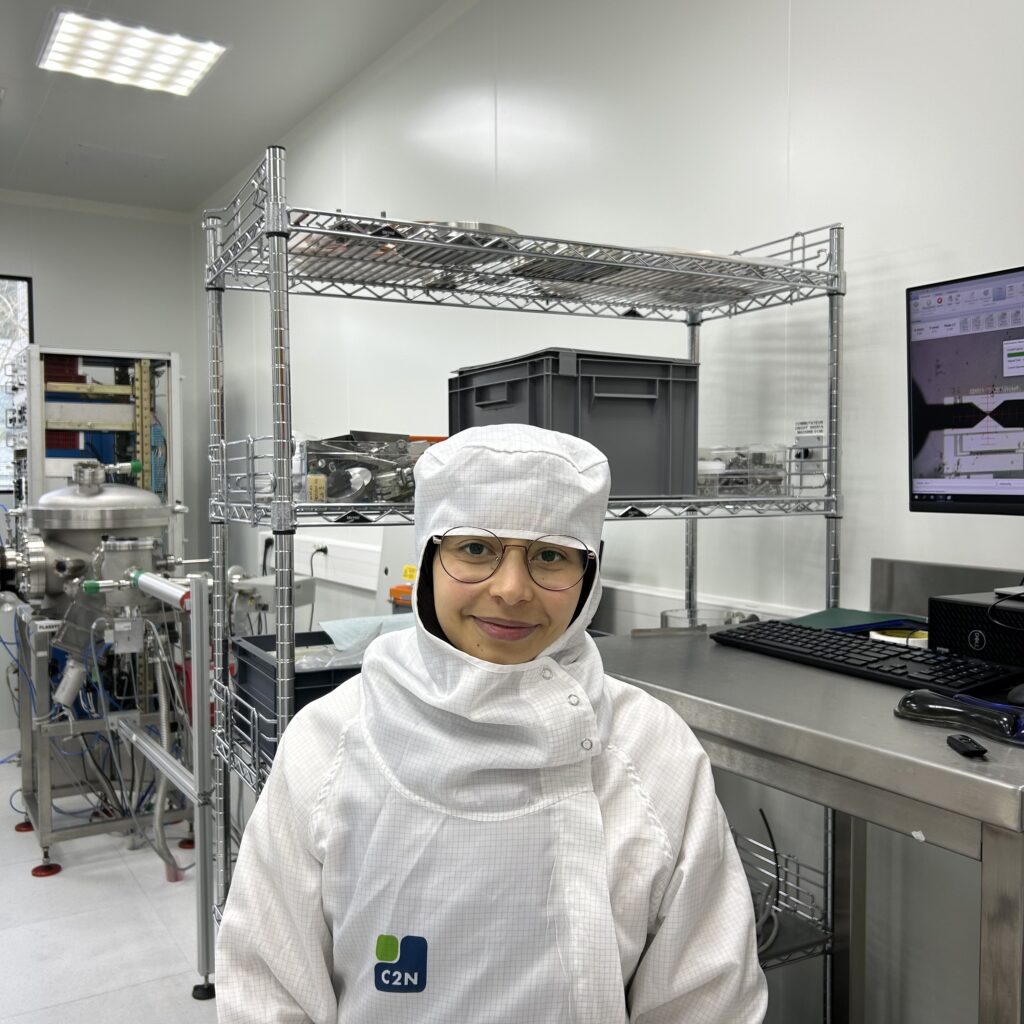
Nessrine
Benaziz
PhD
In Centre des Nanosciences et Nanotechnologies in Palaiseau (C2N|CNRS)
Discover her portrait
Third-year doctoral student at the laboratory in C2N, trained in physics at l’Université Paris-Saclay, she specialized in spintronics during her master’s degree with the Nomade team, where she is now pursuing her PhD. Her work focuses on the study of spin waves in magnetic materials. She uses Brillouin light scattering (BLS) to probe magnetic excitations and magnons. She is particularly interested in the micro-BLS configuration, which probes a wide range of wave vectors and generates complex spectra. She has developed a model and a versatile analysis method to interpret these spectra. She provides support for the cross-disciplinary project SPINCHARAC.
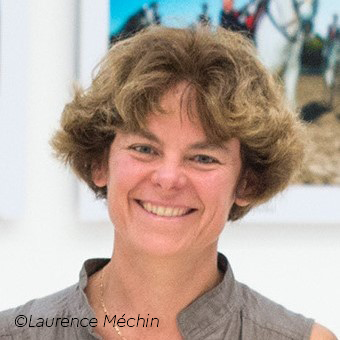
Laurence
Méchin
Research Director at CNRS
Laboratoire GREYC in Caen (CNRS|ENSICAEN|Université Caen Normandie)
Discover her portrait
Director of Research CNRS at GREYC in Caen and director of the Electronics team, she works on the development of thin-film sensors. After conducting research on superconductors, she now focuses on thermal and magnetic sensors, with a view to improving their performance and integration on silicon. As part of the SPIN Research Program, Laurence is involved in the ADAGE project dedicated to augmented magnetic sensors.
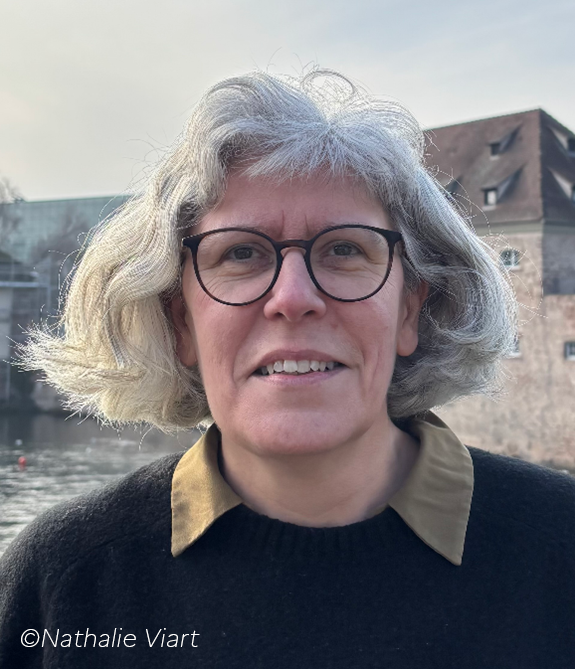
Nathalie
Viart
Professor and researcher at IPCMS
At ECPM (University of Strasbourg) and IPCMS (CNRS|University of Strasbourg)
Discover her portrait
Professor at ECPM (University of Strasbourg) and researcher at IPCMS (CNRS|University of Strasbourg), Margaux Monvoisin is a specialist in functional oxides and the coordinator of the transverse SPINMAT project within the PEPR SPIN program. After earning her PhD in Strasbourg, where she focused on magnetic nanocomposites, she completed a postdoctoral fellowship at Oxford, specializing in oxide spintronics.
Her research focuses on the fabrication, structuring, and characterization of thin films and heterostructures of magnetic oxides. She has a particular interest in the relationships between structure and orbital degrees of freedom. Her work paves the way for the development of orbitronic devices, a promising field at the intersection of spintronics and orbital physics.