SWING
Project Manager
Matthieu Bailleul, researcher at CNRS in IPCMS Strasbourg
N° ANR: 22-EXSP-0004
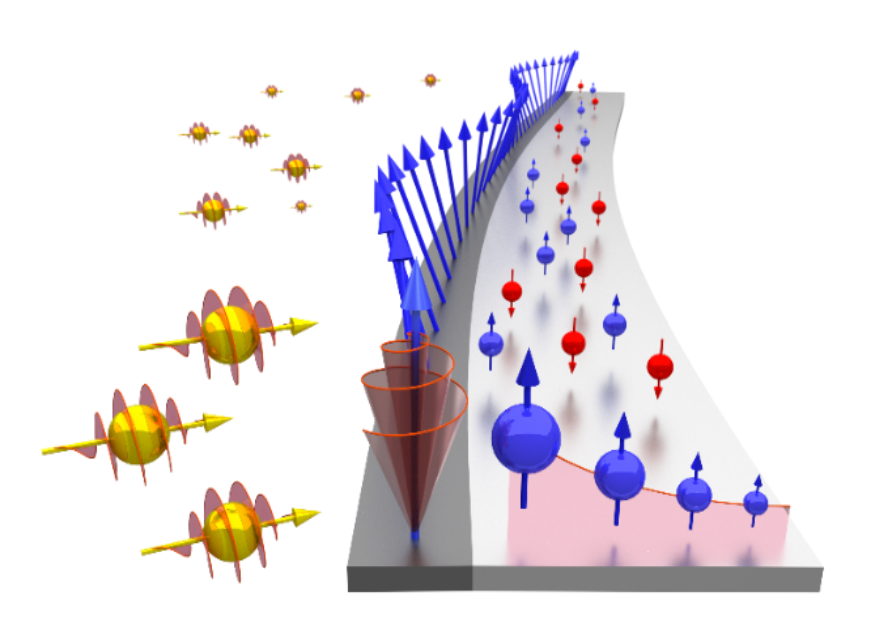
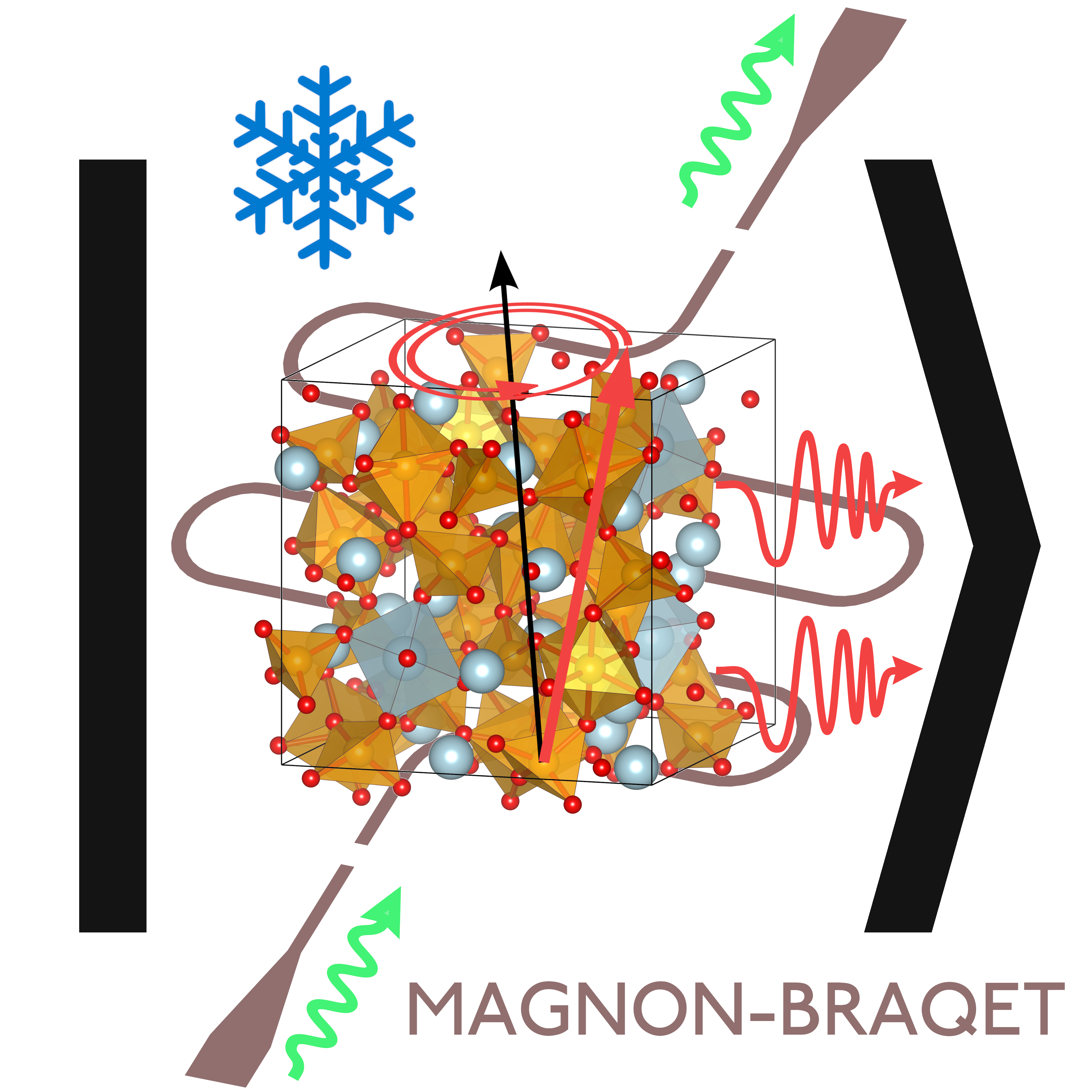
The SWING project is part of the magnonics field, which aims to exploit the unique physical properties of spin waves, or magnons, to develop new information technologies, using their phase or amplitude for coding.
Challenges
> Increase energy efficiency
> Develop new approaches to controlling the properties of spin-wave modes.
> Improve the level of integration of existing magnonic components
Solutions implemented
> New materials engineering
> Improvement of spin-wave interconversion;
> (Re)generation of spin waves via acoustics
> Development of non-reciprocal devices
More precisions
The SWING Moonshot Project uniquely combines the non-volatility, reconfigurability, agility and non-linearity of magnetism, with the flexibility and parallelism of wave-based architectures.
Proofs of concept have already been reported recently, ranging from signal processing units to elementary logic gates, so that spin-wave devices are now among the most promising technologies beyond CMOS.
However, progress in this field has been seriously hampered by poor scaling of the inductive magnon-photon interaction, which is a bottleneck in terms of energy efficiency. We believe that the breakthroughs that will unlock the potential of magnonics lie at the interface between the fields of magnonics, spintronics and magneto-acoustics.
To achieve this, the project will rely on the interactions between spin waves and complex magnetic structures. These interactions will make it possible to observe new behaviors, such as the ability of spin waves to induce a change in magnetic state or to propagate in a controlled and directional manner.
The project will also take advantage of the link between spin waves and the mechanical vibrations of the material. This coupling will allow energy to be transferred more efficiently to hybrid systems combining different physical properties.
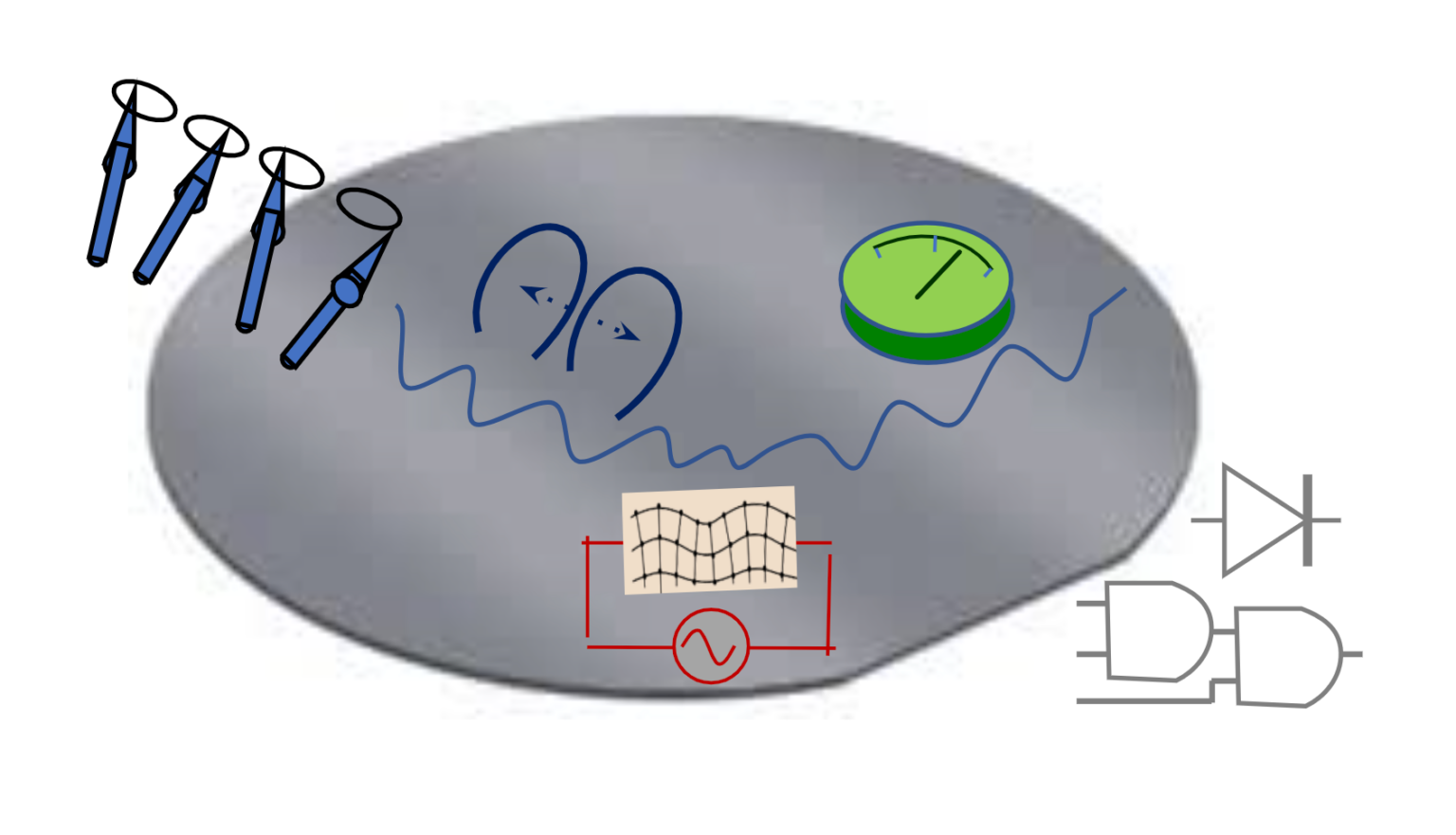
Finally, miniature devices capable of generating and detecting spin waves will be developed. They will integrate nano-magnets and spintronic sensors directly onto specialized waveguides. This multidisciplinary effort will make it possible to design and evaluate the key components required for future magnonic circuits, both for analog and digital information processing.
Consortium
Institut de physique et de chimie des matériaux de Strasbourg (CNRS/Université de Strasbourg), Laboratoire Albert Fert (CNRS/Thales/Université Paris Saclay), IMT-Atlantique (CNRS/IMT/INSERM/INRIA), Institut des Nanosciences de Paris (CNRS), Laboratoire des Sciences des Procédés et des Matériaux (CNRS), C2N (CNRS)

SWING project publications
Les autres projets PEPR
HOBBIT
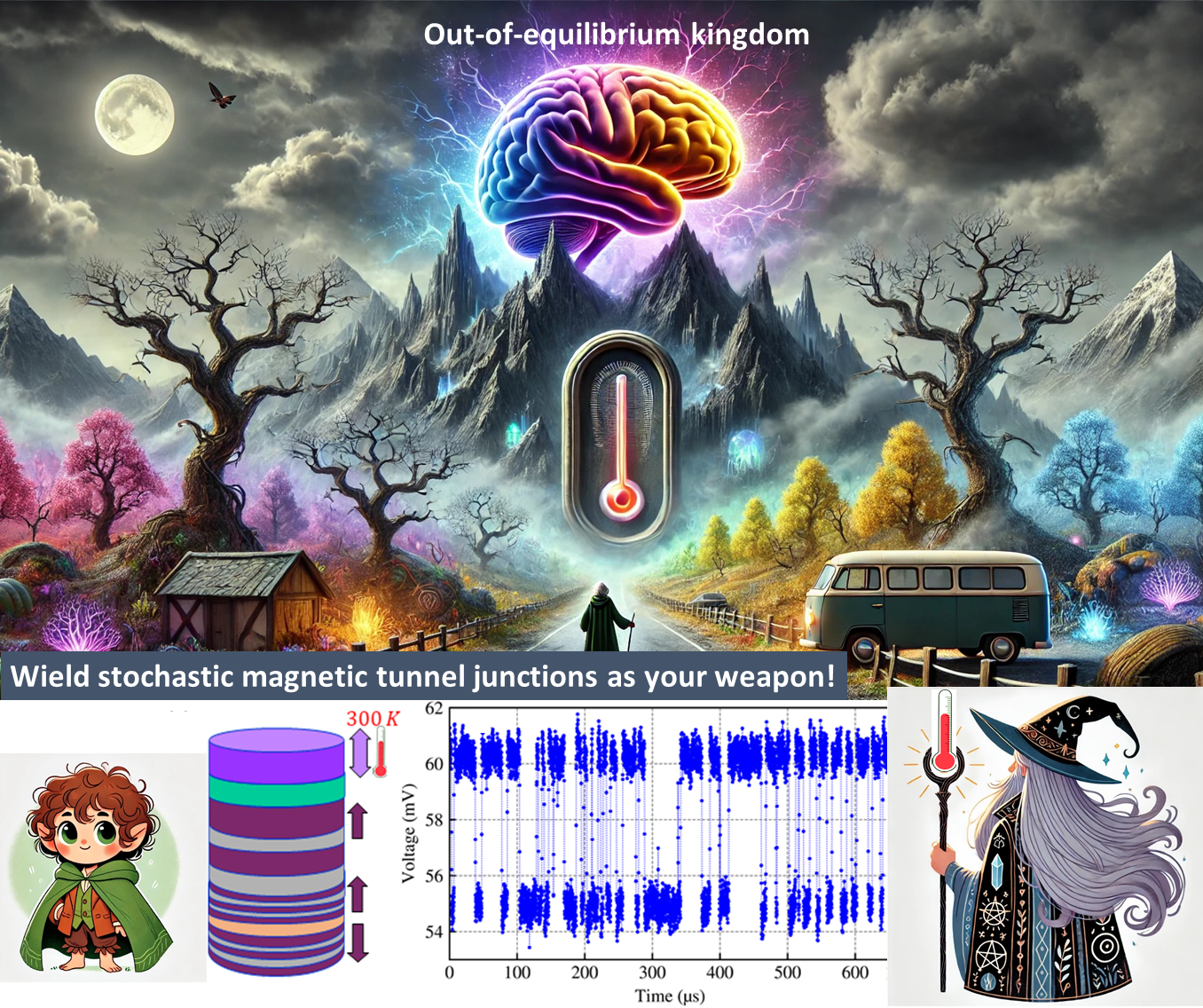
Harnessing out-of-equilibrium spintronics in self-adaptative brain-inspired networks
Voir plus

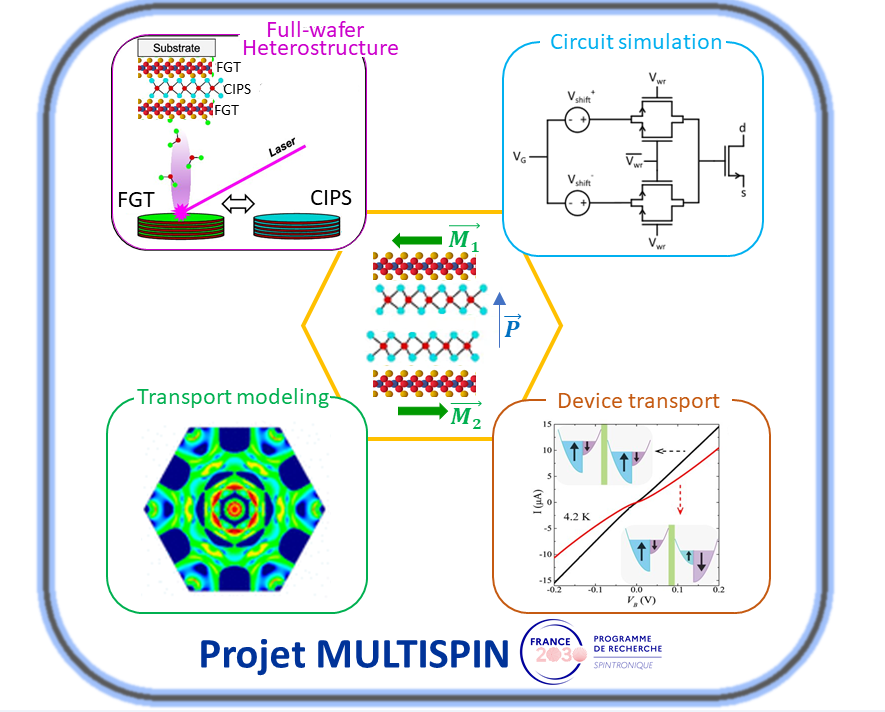
Multispin
Van der Waals Multiferroic Heterostructures for Logic-In-Memory Spintronic Devices
Voir plus

SPINCHARAC
SPINCHARAC Project Manager Lucian Prejbeanu, Director of Laboratory SPINTECN°ANR: 22-EXSP-0008 The…
Voir plus